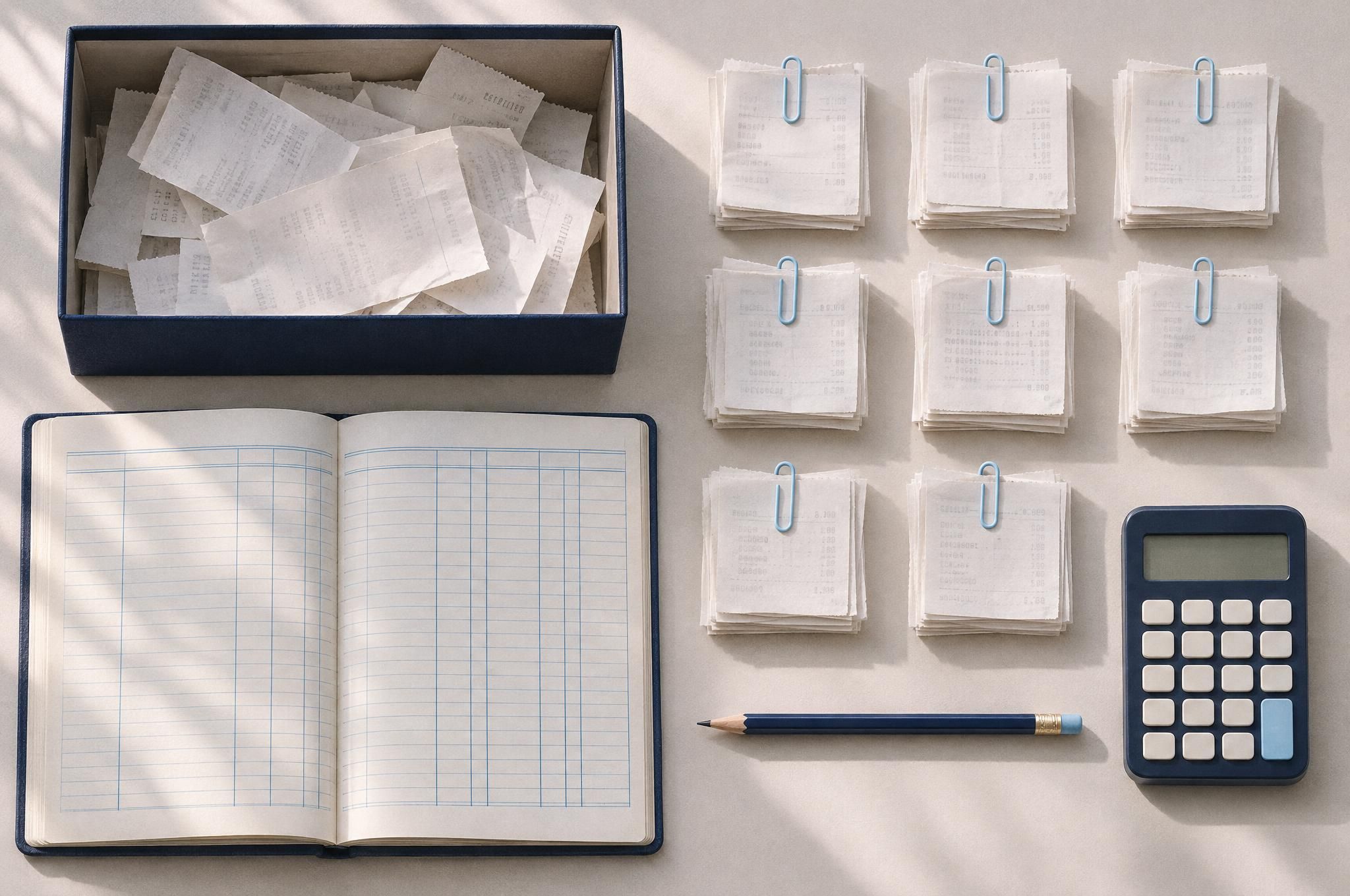
The Construction Industry Scheme (CIS) sets out how contractors pay subcontractors for building work, and how much tax comes off each payment. We help contractors and subcontractors in Milton Keynes and across the UK with monthly CIS returns, refunds of overpaid tax and the domestic VAT reverse charge for construction.
What CIS is and how CIS returns work
Under CIS, a contractor takes a deduction from each payment to a subcontractor and passes it to HMRC. The deduction counts as an advance payment towards the subcontractor’s own Income Tax and National Insurance, or towards a company’s tax bill.
The deduction rate depends on the subcontractor’s status:
- 20% if the subcontractor is registered for CIS.
- 30% if they are not registered, or HMRC cannot match their details.
- 0% if they have gross payment status.
The contractor deducts tax from the labour part of a payment only. Materials the subcontractor bought for the job and VAT stay outside the deduction, so invoices should show them separately.
Contractors report their payments and deductions to HMRC every month on the CIS300 return. CIS covers most construction work, including building, alterations, repairs, decorating, demolition and site preparation. Architecture, surveying and delivering materials fall outside it. A business that does not normally work in construction can also count as a contractor if it spends a large amount on construction work.
The domestic VAT reverse charge for construction
Since 1 March 2021, a different VAT rule applies to most construction services reported under CIS. When a VAT-registered subcontractor supplies those services to a VAT-registered contractor who is not the end user, the subcontractor does not charge VAT. The invoice says the reverse charge applies, and the contractor accounts for the VAT on its own VAT return. The normal VAT rules still apply when you work directly for a homeowner or another end user. Subcontractors under the reverse charge often reclaim more VAT than they charge, so filing VAT returns monthly can bring refunds in sooner.
Who needs it
- Contractors: builders, developers and other businesses that pay subcontractors for construction work.
- Subcontractors: self-employed tradespeople, partnerships and limited companies paid by contractors.
- Businesses that are both, taking work from main contractors and passing some of it on.
- Subcontractors who have had too much tax deducted and want it back.
- Established businesses that want to apply for gross payment status.
- VAT-registered construction businesses dealing with the reverse charge.
What we do for you
For contractors
- Register you as a contractor with HMRC.
- Verify each new subcontractor with HMRC, and work out deductions on the labour part only.
- Give each subcontractor a monthly payment and deduction statement by the 19th.
- File your CIS300 return every month, or tell HMRC when you have paid no subcontractors.
- Check employment status, so anyone who should be on your payroll goes on it.
For subcontractors
- Register you for CIS, so contractors deduct 20% rather than 30%.
- Collect your deduction statements and check them against HMRC’s records.
- Claim your deductions back through your Self Assessment tax return if you are a sole trader or partner, filing early in the tax year.
- For limited companies, set CIS deductions against the company’s PAYE bill each month through the EPS, and claim any balance back from HMRC.
- Apply for gross payment status once your business meets HMRC’s tests.
What we need from you
If you are a contractor:
- Each subcontractor’s name, UTR, National Insurance number or company registration number, and VAT number if they have one.
- Subcontractor invoices showing labour, materials and VAT separately.
- Payment dates and amounts for each tax month.
- Your employer PAYE reference and Accounts Office reference.
If you are a subcontractor:
- Every CIS payment and deduction statement for the tax year.
- Your invoices and records of all income, including work outside CIS.
- Receipts for business costs such as tools, van, fuel, materials, protective clothing and phone.
- Your UTR, and your bank details for the refund.
Deadlines and penalties
- Tax month: runs from the 6th of one month to the 5th of the next.
- CIS300 return: by the 19th of each month, for the tax month that ended on the 5th. A nil return is due even when you paid no one, unless you have told HMRC you are inactive.
- Deduction statements: to each subcontractor by the 19th as well.
- Payment to HMRC: by the 22nd if you pay electronically.
- Subcontractors: the Self Assessment return is due online by 31 January. You can file soon after the tax year ends on 5 April, so you do not have to wait until January for a refund.
If you file a CIS300 late, HMRC charges a penalty that starts at £100 and rises the longer the return stays outstanding. HMRC also reviews your compliance, and late returns or payments can cost your business its gross payment status.
How it works with SOLID Accounts
- First contact. Call 01908 842385 or email us and tell us whether you are a contractor, a subcontractor or both.
- Quote and engagement letter. We send a written quote and an engagement letter.
- ID check. Before we start, we verify your identity under anti-money laundering rules.
- Gathering records. Contractors send subcontractor details and invoices each month. Subcontractors send statements and receipts. We set up agent authorisation with HMRC.
- Preparation. We verify subcontractors and prepare the monthly return, or your tax return with the refund claim.
- Review. Kiki checks every return before we file it.
- Your approval. You see the figures and approve them.
- Filing. We file with HMRC and give you the deduction statements for your subcontractors.
- After filing. We tell you what to pay by the 22nd, or follow your refund until it reaches your account.
Help in Greek and Polish
You can work with us in Greek or Polish, whether you are a contractor, a subcontractor or both. Kiki speaks Greek as her first language, and a native Polish speaker on our team looks after Polish-speaking builders and trades. CIS statements, returns and HMRC letters stay in English, and we explain them in your language.